RBT
- Is based on the neurophysiology of a healthy human brain (unlike other therapies based on introspection, observation, or the philosophical influences of Hellenistic Stoicism on Rational Emotive Behavior Therapy)
- Is relatively easy to teach and easy to learn (doesn't require identification of disorders or knowledge of medical terms)
- Clients define what is healthy thinking for them
- Clients are coached to become their own therapists (Rational Behavior Self-Counseling)
- Is unique among CBTs as it provides a framework to address religious, spiritual, and foundational philosophical or existential beliefs, help patients assess their health value, and integrate them into Cognitive Behavioral Non-Denominational Spiritual/Existential Counseling.
- It is based on the psychosomatic learning theory of human behaviors and was amongst the first psychotherapies to recognize cognitive-emotive dissonance as an inevitable stage in the process of voluntary change. When one starts practicing a new, healthier behavior that is in conflict with old habits, one begins experiencing a feeling as wrong, weird, or unnatural. This is the stage where people frequently quit practicing.
- In 1971, RBT psychiatrists pioneered the use of imagery for development and mental rehearsal of healthy thoughts, emotions, and behaviors and thereby intensifying its effectiveness.
- Healthy Thinking is based on obvious facts (objective reality)
- Healthy Thinking best protects my life and health
- Healthy Thinking best helps me to achieve my short and long-term goals
- Healthy Thinking best helps me to handle the most unwanted conflicts with others
- Healthy Thinking best helps me feel the way I want to feel without abusing any substances.
- A healthy belief obeys at least three of the five rules.
- What is healthy thinking for me does not have to be healthy for another person, so what is healthy for the therapist does not have to be healthy for the participant.
- What is healthy for me today does not have to be healthy for me at other times.
- All the rules are equally important.
- Some rules may not be applicable in certain situations (e.g., rule number one doesn’t apply to religious, spiritual, philosophical or existential beliefs).
People often regard 5 Rules for Healthy Thinking as more objective and non-judgmental, and it is much easier to accept that some of their thinking might be unhealthy instead of pathologizing it by calling it distorted, irrational, or disturbed.
My wife Aleksandra Wirga, M.D. (also a psychiatrist and CBT therapist) and I are among very few psychiatrists globally who were personally trained by Dr. Maxie C. Maultsby, Jr during our residency at Howard University Hospital. Both Aleksandra and I are RBT Master Trainers and Beat the Odds Master Trainers (that means that we train other trainers to teach these programs).
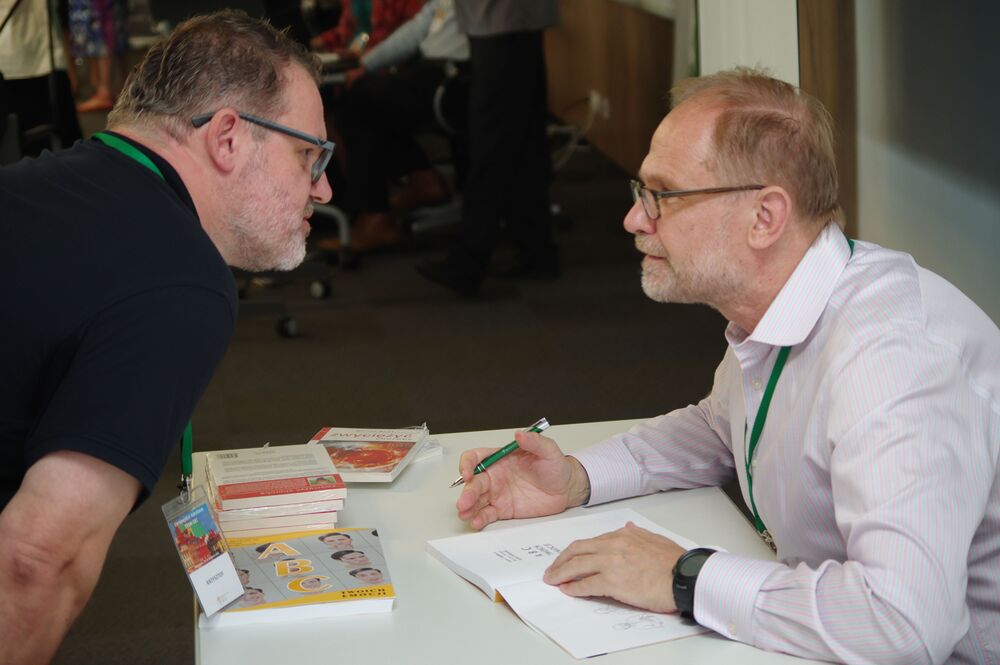
RBT practical approach can be learned from the book I co-authored (with Maxie C. Maultsby, Jr. and Michael DeBernardi) of ABC of Your Emotions, in which on 340-page with 280 cartoon-like illustrations, we explain how human emotions work and how to manage them effectively.
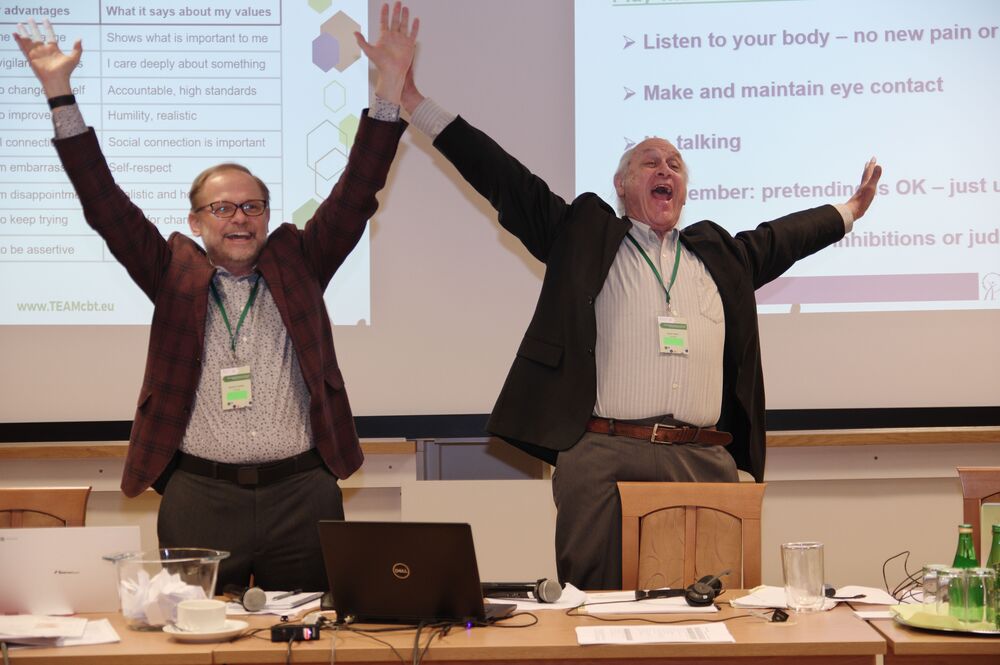
Scientific research shows that laughter produces health benefits that help prevent and heal cancer. Happily we can also access these health benefits without any need to find something funny, as the body cannot tell the difference between “real” and “simulated” laughter. So we can practice unconditional laughter – laughing for no reason at all. This is sometimes called the practice of laughter yoga – but the body cannot tell what you call your laughing
To be physiologically beneficial laughter needs to be hearty – from the belly. It also needs to be for an extended period not just the few seconds that we normally laugh.
Of course laughter is psychologically beneficial as well as physiologically. It can instantly quell anxiety and improve our mood. Even more profoundly, laughter connects us with transcendent awareness. We’re fully present and at the same time free of identification with conditioned experience. When laughing, we find ourselves completely at peace with life.